







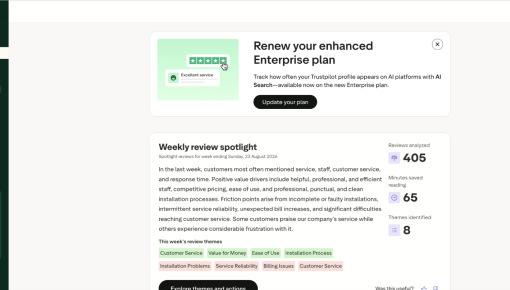
Trustpilot's Plan Renewal Embedded Card
A single Card that fits seamlessly on the page spotlights locked features and encourages customers to renew...



Existing customer? Sign in
Most research recruitment experiences read like they survived a legal review: they explain the study, estimate the time commitment, mention the incentive, and apologize for the interruption. Chili Piper's version is a single sentence and two buttons. The headline repositions the user as a co-creator of the product rather than a research subject, which changes the emotional register of the ask. The exit button says "No, thanks" instead of "Not now," a small copy decision that closes the loop cleanly without implying a follow-up. Together, these choices make a low-lift ask feel even lighter.
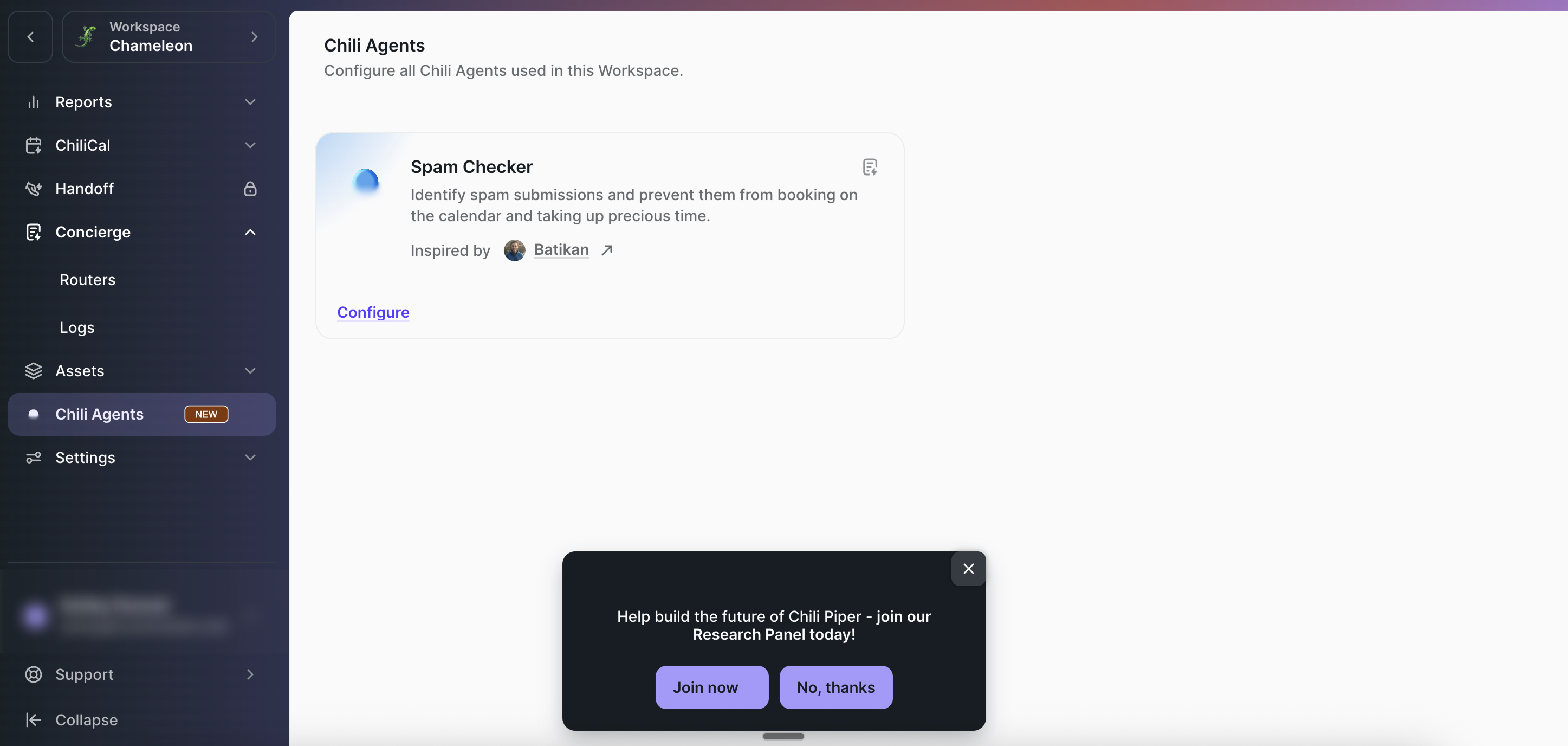
The headline "Help build the future of Chili Piper" does something most research recruitment copy doesn't attempt: it makes the user the protagonist. Standard research asks are written from the company's perspective, or frame the user as a helper of the company. This one frames the user as someone whose input actively shapes what gets built next. That repositioning matters more than it might seem. When someone believes their participation will influence a product they already use, saying yes feels like an opportunity, not an obligation.
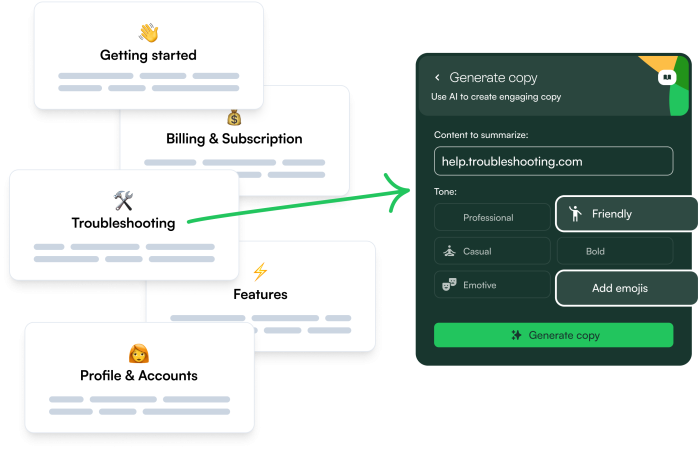
Most dismiss interactions are engineered for friction. "Not now" implies you'll ask again. "Remind me later" is a broken promise dressed as a courtesy. The "No, thanks" button here is different: it's final, it's written from the user's perspective, and it doesn't leave a door ajar for a follow-up ask. That might seem like a conversion risk, but the opposite is true. A graceful exit builds trust, and trust is what determines whether users say yes the next time you need something from them.

The entire ask fits in one sentence. No description of what the research panel involves, no time estimate, no mention of compensation. This restraint is intentional. Over-explaining a lightweight ask introduces doubt: users start wondering what's in all those words, whether the commitment is actually bigger than it looks. Short copy signals confidence in the ask itself. Every sentence you don't write is a question you're preemptively not raising, and in recruitment modals, fewer questions mean fewer reasons to click away.

Build a Modal to recruit users for your research panel and direct them to a sign-up experience.
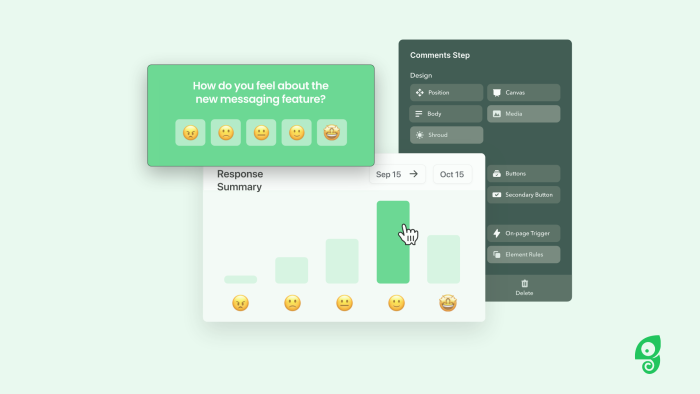
More Built with Chameleon, User Feedback, & Tour examples
Start a free trial or talk to our team.